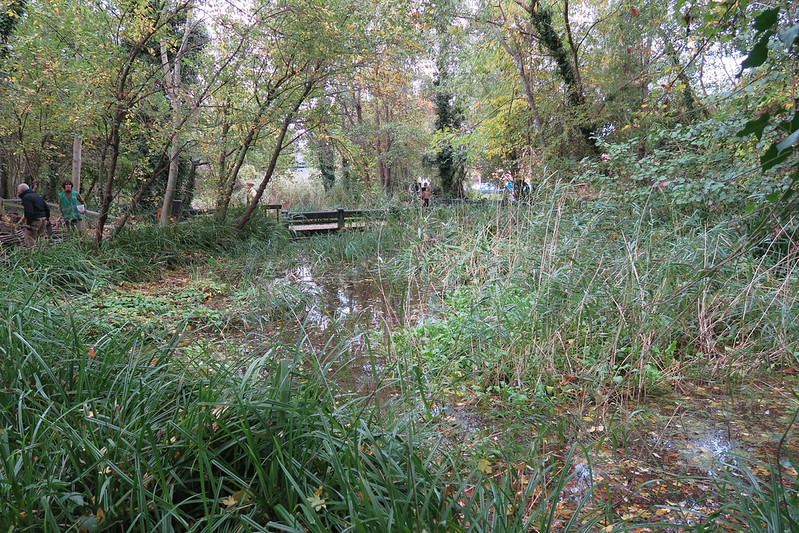
Our London trip began with the typical dash to the train station, followed by a welcome bit of calm on the journey before the city buzz. After hopping off the train at St Pancras, we wandered just a few minutes to Camley Street Wildlife Reserve, a tiny green hideaway tucked between the railway lines and the canal. You’d never guess it was there!
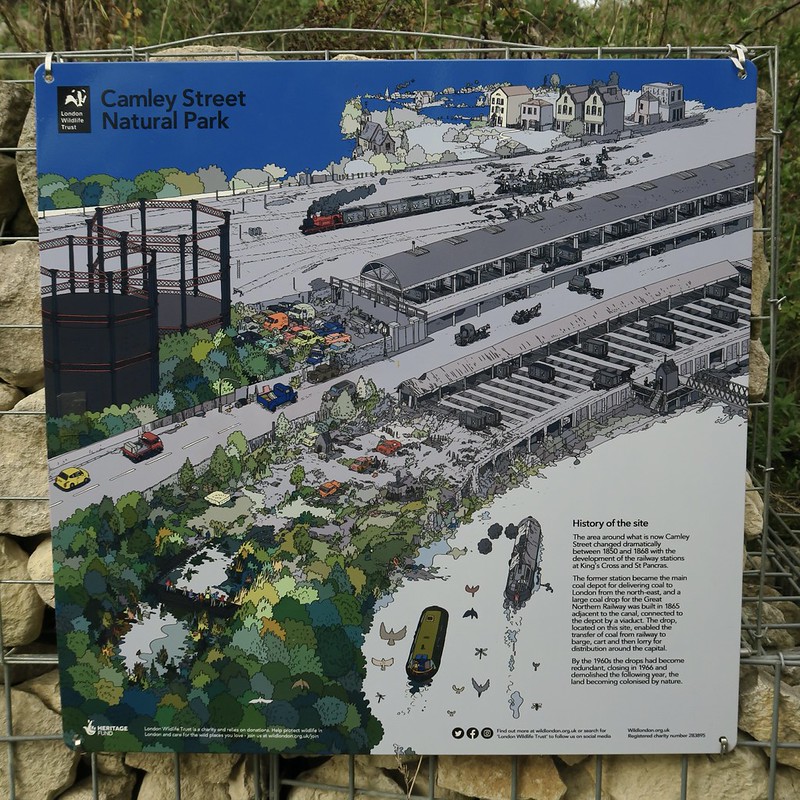
Run by the London Wildlife Trust, the site was once part of London’s old industrial heart, full of gasworks, coal yards, and railway sidings in the 1800s. Over time, nature crept back in and now it is filled with reeds, butterflies and birds darting between the trees. The signs dotted around the reserve show what it used to look like.
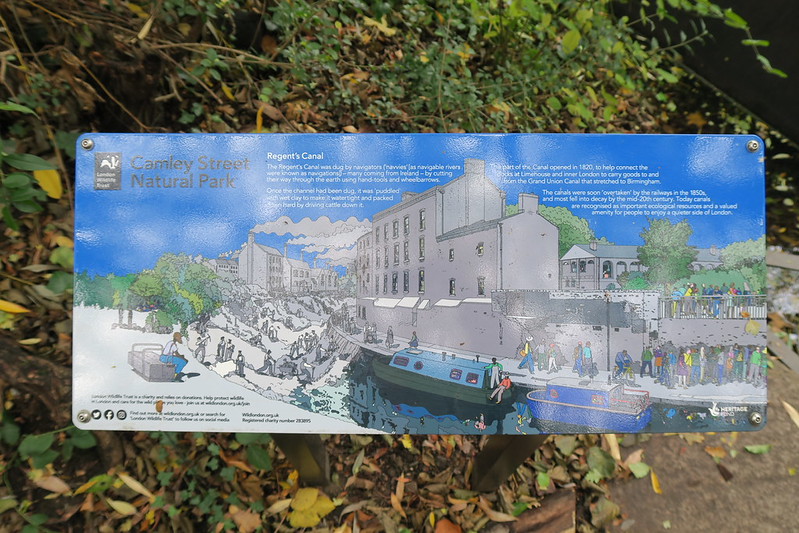
We stopped for lunch at the little café on the reserve, enjoying toasted sandwiches and soup right next to Regent’s Canal. It felt like we had found a secret garden in the middle of the city and it has long been one of my favourite places for a quiet break on trips to the capital.
After lunch, we made the short walk to King’s Cross Station for something a little more magical: Platform 9¾. The queue for photos was long, so we just watched from the side. The Harry Potter Shop next door was full of temptation, with wands, robes and Bertie Bott’s Every Flavour Beans. We didn’t go overboard and left with just a postcard in our pocket.
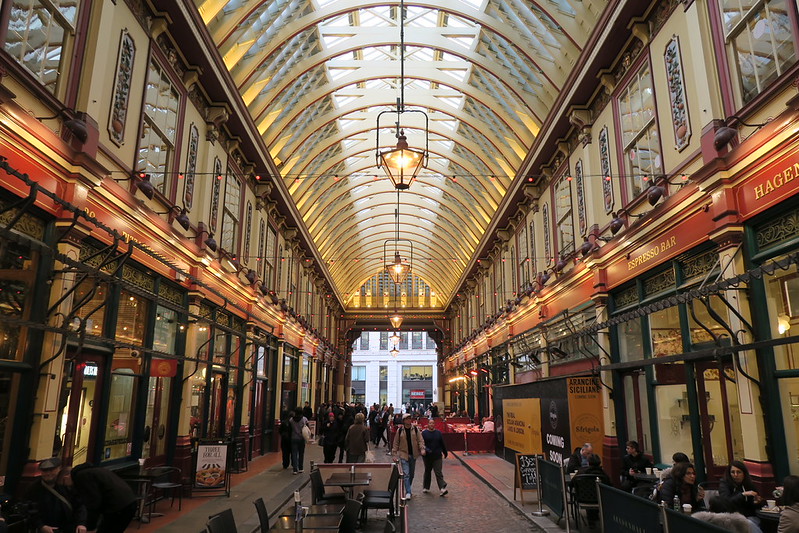
Next, we set out toward East London although the train line had other ideas. A few delays on the metropolitan line sent us on a small detour, but it turned out to be a happy accident. We came up at Bank and decided to explore Leadenhall Market, which Harry Potter fans might recognise as part of Diagon Alley. Its painted roof and cobbled passageways were beautiful in the late afternoon light, like stepping into a film set. From there, we wandered on to Brick Lane, full of colour and the smell of curries. The kids were fascinated by the street signs written in both English and Bengali.
We browsed through Spitalfields Market, packed with food stalls and vintage treasures, then took a quiet moment at the Kindertransport Memorial by Liverpool Street Station, a moving reminder of the children who fled Germany during the war.
By late afternoon, we were ready to head west to our hotel in Hammersmith. It felt like we had seen several Londons in one day, wild and green, magical and mysterious, bustling and full of history. The trip had only just begun, and there was plenty more to come.
The Victoria and Albert Museum
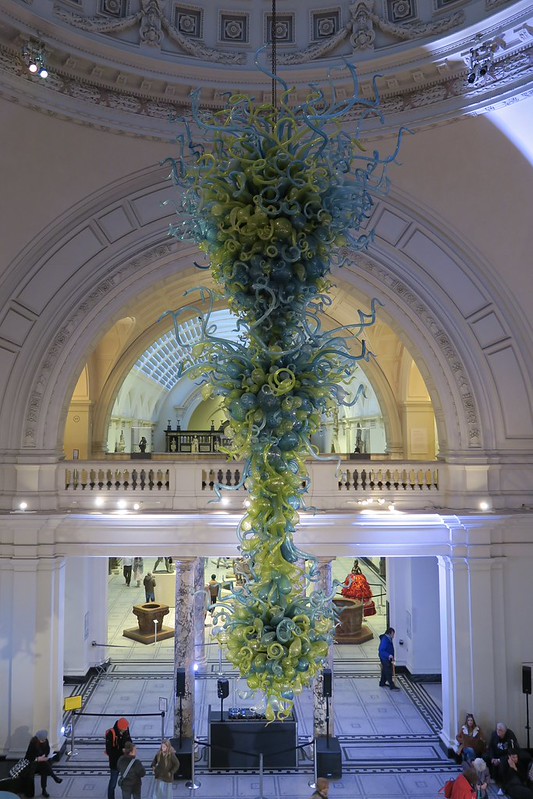
I had been keen to return to the Victoria and Albert Museum for a while, as I don’t think I had been since my visit while studying GCSE Art. We arrived beneath a cascade of colour and glass, Dale Chihuly’s V&A Chandelier, its curling blue and green forms suspended in the grand entrance like an underwater explosion. It was the perfect welcome: light, movement, and craftsmanship intertwined, setting the tone for a day that would balance history, creativity and a bit of play.
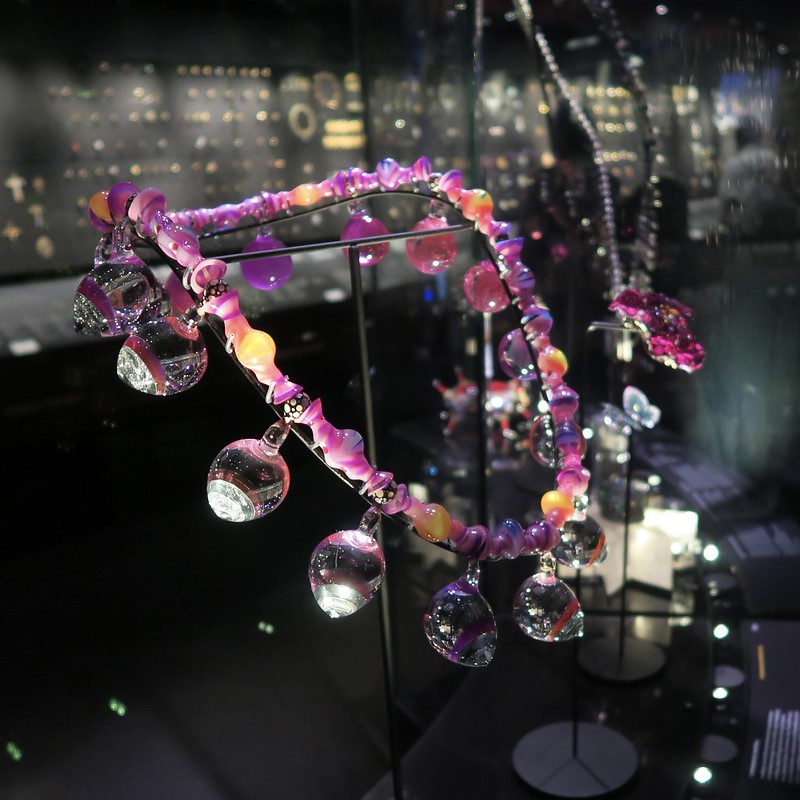
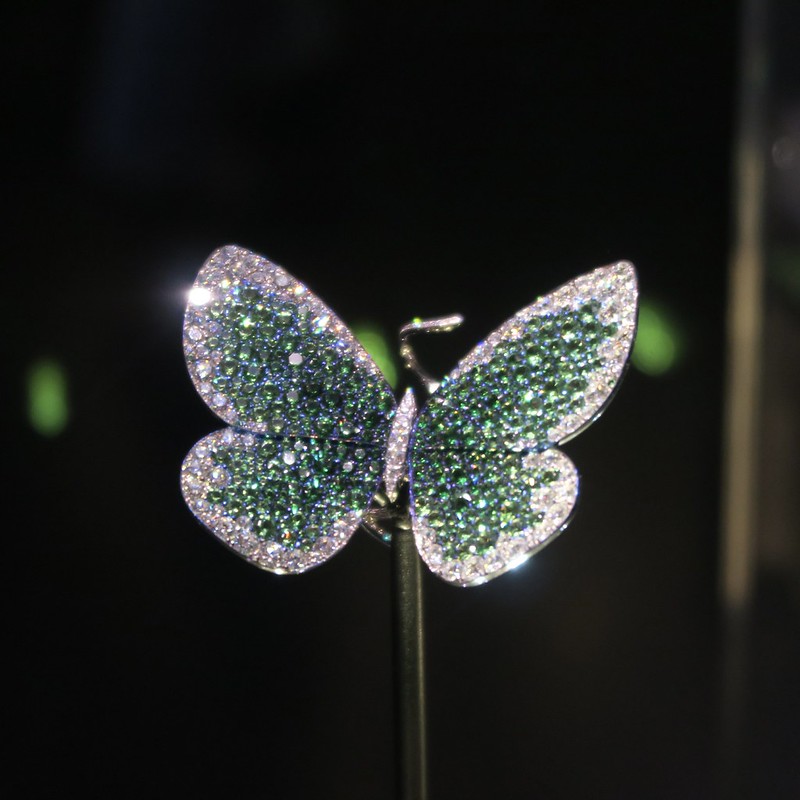
From the entrance hall, we made a beeline for the Jewellery Gallery, an extraordinary sweep through centuries of sparkle. From medieval goldsmithing to avant garde modern designs, the display traces how personal adornment tells the story of status, sentiment and style. I had hoped to see Queen Victoria’s Coronet, the sapphire and diamond piece designed by Prince Albert as a symbol of their love, but it was away from its stand that day. Among the many treasures, one of my favourites was Beyonce’s butterfly ring.
Next looking down from the gallery, we caught sight of Michelangelo’s David in the Cast Courts. Even as a plaster reproduction, its presence is astonishing. You can see why these 19th-century casts were made, to bring world art to those who couldn’t travel to Florence.
The V&A Café provided a much-needed pause. Sitting beneath ornate tiles and soaring ceilings, we had a chance to recharge before diving back into exploration.
Our next stop was the Raphael Cartoons, the full-scale designs for the Vatican’s Sistine Chapel tapestries, commissioned by Pope Leo X in 1515. Standing before them, it is hard not to feel humbled by their scale and colour. They bridge Renaissance art and early modern storytelling, inviting you into scenes of apostles and miracles that seem to vibrate with life.
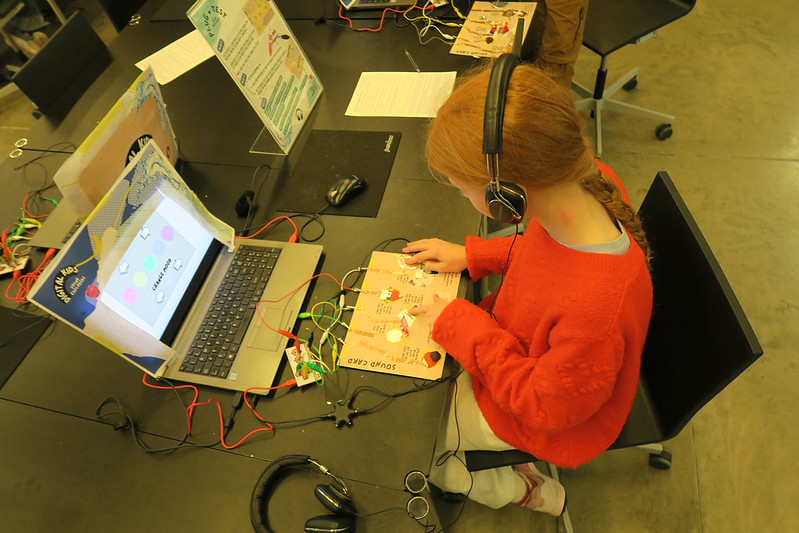
Wandering the galleries soaking in the atmosphere we headed down in the Learning Centre, the mood shifted, the half-term programme Tiny Kids Sound Explorers was in full swing, a hands-on workshop where children used conductive materials to build their own instruments. With Makey Makey boards, they learned how touch could trigger sound. Afterwards, they moved on to create portraits around the theme of energy.
Refuelled by inspiration, we headed upstairs. The Nicholas Hilliard miniatures revealed Elizabethan elegance in exquisite detail, while next door the Great Bed of Ware, famously mentioned by Shakespeare in Twelfth Night, offered a glimpse of theatrical grandeur. Further along, Leonardo da Vinci’s Notebook provided a quieter kind of wonder. His mirrored handwriting and intricate sketches feel almost alive, as though you can still sense the mind at work behind the page.
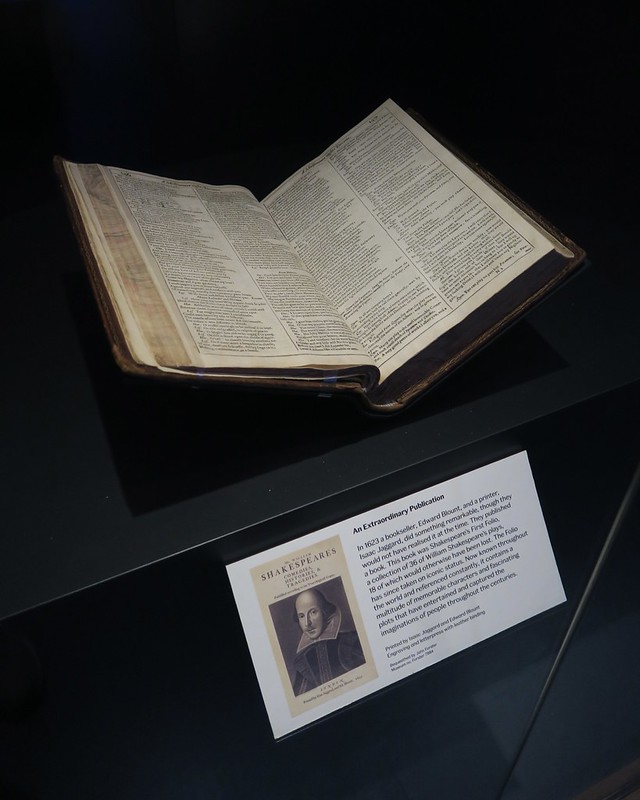
For our family, the heart of the day was the Theatre and Performance Gallery. With a daughter immersed in dance and performing arts, and with some reminiscing from my theatrical set building days at school, this was our natural home. The gallery unfolds like a backstage tour, with costumes shimmering under soft light, props showing how productions come alive and interactive displays inviting you to design, act or choreograph. She spent ages at the activity stations, sketching, pressing buttons and experimenting with sound, completely absorbed. There was a special energy in that room where art meets movement. The displays showed how story, rhythm and costume combine to express emotion. For her, it wasn’t just about looking, it was about feeling what it means to perform. Seeing Shakespeare’s First Folio nearby felt like tracing those roots back to where it all began.
We couldn’t find the Devonshire Hunting Tapestries, magnificent 15th-century weavings that have been known to travel for conservation or display. I suspect we may have glimpsed them before on loan at Chatsworth House, which somehow made their absence feel like finding out an old friend is off on new adventures.
Before leaving, I was keen to drop into the Design Gallery, although with some corridors closed, our route felt like a labyrinth, looping us repeatedly through the Buddhism Galleries. Not that we minded, these rooms radiate calm and craftsmanship that are hard to rush past. We finally reached the Design Gallery, where I was fascinated by the Copenhagen Wheel, a bright red innovation from MIT that turns an ordinary bicycle into an e-bike. Nearby, a mirror on the ceiling offered a playful glimpse into the members only restaurant, a fleeting peek at the high life before heading back to the hotel via a riverside restaurant.
Cutty Sark and the Magic of Maritime Greenwich
The next morning the sun shimmered on the Thames, turning the ripples silver as I set off along the south bank from Hammersmith Bridge after picking up some sandwiches. Joggers passed in steady rhythm, families strolled with takeaway coffees and cyclists glided by. Out on the water, the scene was set for a boat based day. Rowers cut through the river in perfect unison, their oars flashing in the sunlight, with coaches calling from their boats. It felt like the whole city had turned out to move on foot, on wheels and by oar. The path wound gently past leafy stretches and riverside pubs. It was a morning that felt unmistakably boaty, the Thames at its most alive and the perfect prelude to my next leg: hopping aboard the Uber Thames Clipper to Greenwich and the Cutty Sark.
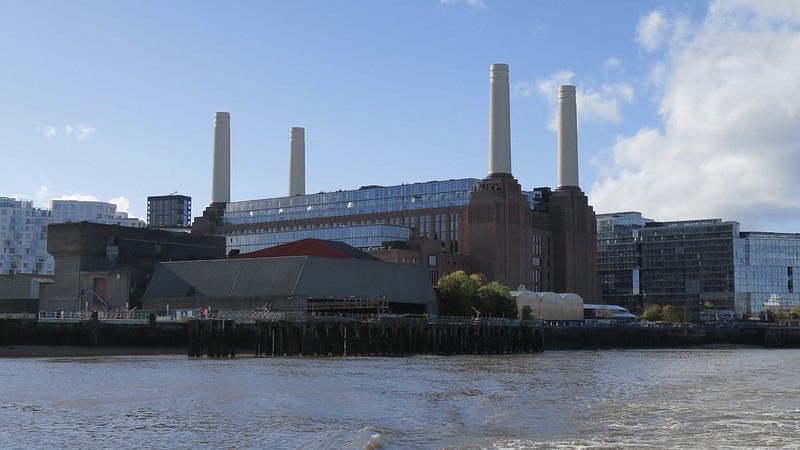
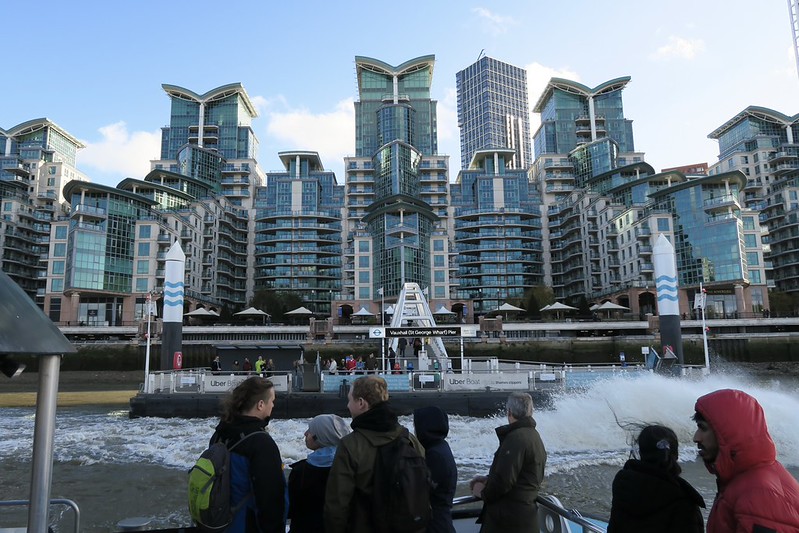
Boarding the RB6 Uber Thames Clipper at Putney Pier, the sun was still shining and there was that unmistakable weekend buzz, London waking up at its own pace. From the open deck, the city slowly unfolded as we glided east. The boathouses of Putney gave way to Battersea’s glass towers and the brick grandeur of its Power Station. Past Chelsea and Vauxhall’s swirl of cranes, the river curved toward the skyline of Westminster, the familiar spires and clock tower glowing gold in the sunlight.
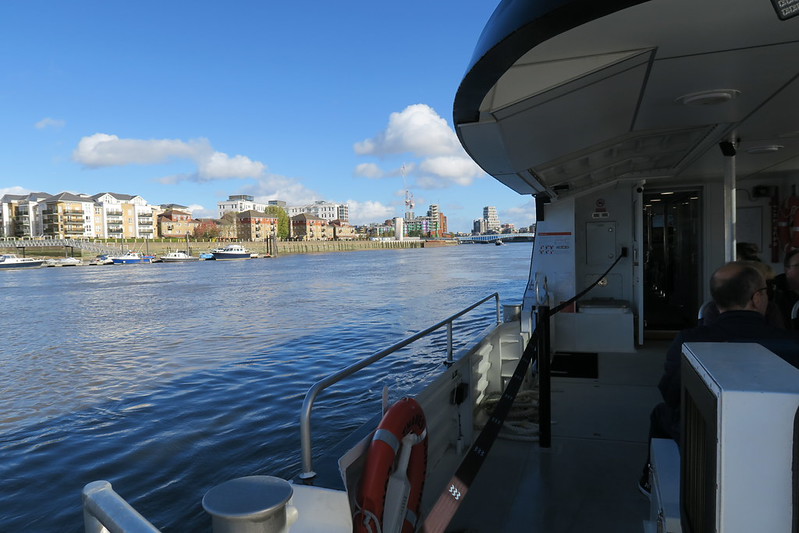
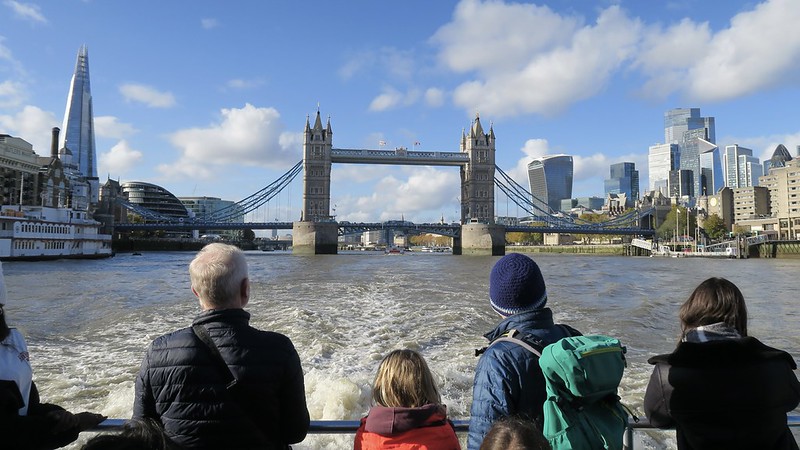
As we carried on through the heart of the city, beneath bridge after bridge, the river grew busier and the architecture grander. Past St Paul’s and the Tate Modern before Tower Bridge came into view, a perfect frame against the sky. Beyond Canary Wharf’s glass towers, the elegant Cutty Sark appeared, her masts poised above the rooftops like a promise of more stories to come. It was the perfect finale to a morning entirely defined by the river.
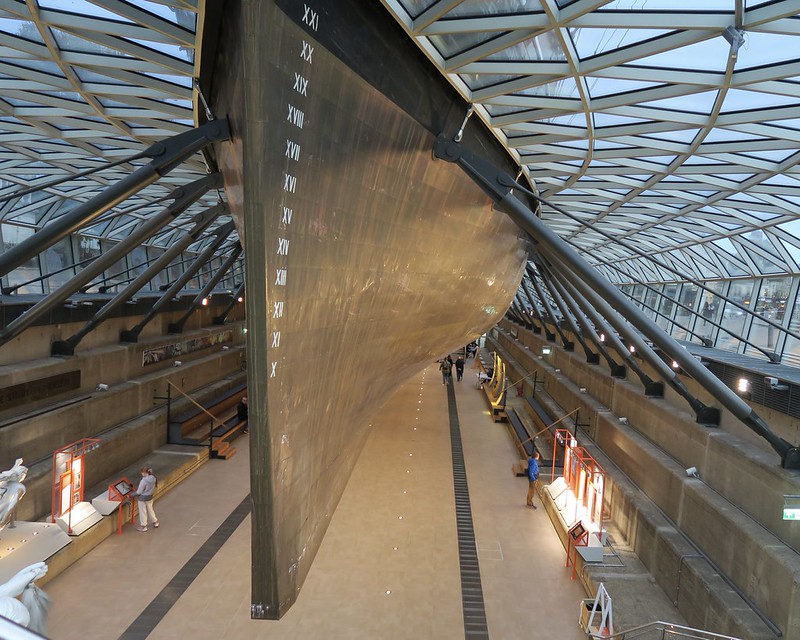
The Cutty Sark, sleek and golden, is a symbol of the age when speed at sea meant everything. Built in 1869, she was one of the last and fastest tea clippers, racing home from China to London with the season’s first cargo of tea. Later, she carried wool from Australia and became a training ship before finally being preserved as one of the great icons of British maritime history.
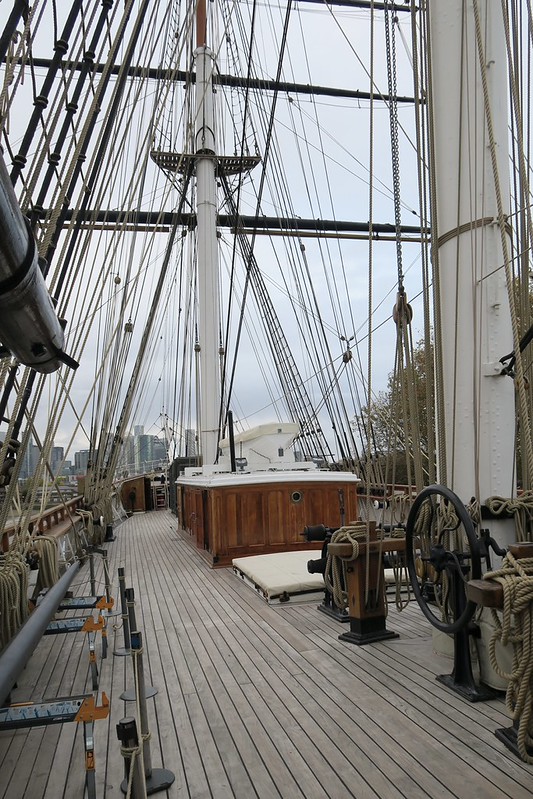
Once aboard, you climb through the decks and get a real sense of what life at sea was like. The kids took turns at the ship’s wheel, peering at the compass, while interactive displays told stories of global trade, storms at sea and the perilous routes around the Cape of Good Hope.
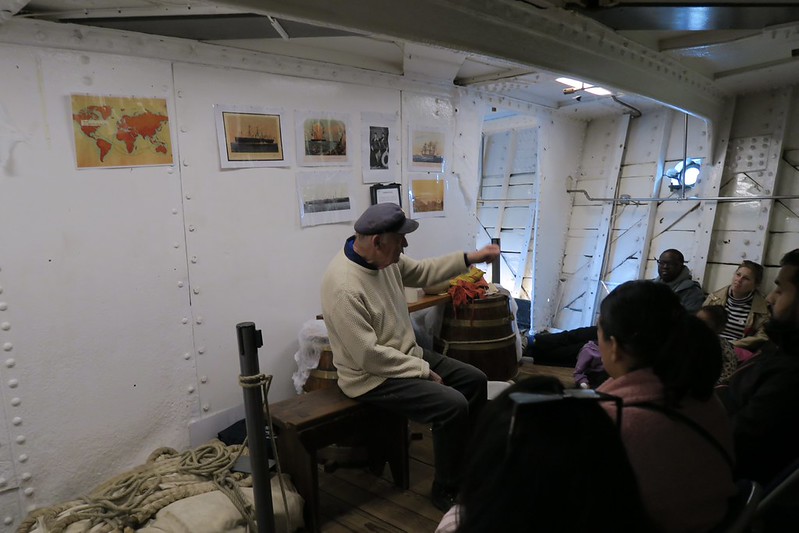
Perhaps the best moment came while sitting right at the bow of the ship with an old sea dog, listening to tales of ghost ships and haunted voyages. The kids were transfixed, wide eyed as he described stories from the deep blue. It felt like a scene straight out of a maritime novel.
Disembarking beside the Cutty Sark, it was time to board the Thames Clipper once more, back to Bankside, across the Millennium Bridge, past St Paul’s, and finally onto Thameslink to begin our journey home properly.