After a long and tiring week, we skipped our usual morning Pilates (saving it for the evening) and headed out early into a damp morning. The world was still waking up. The roads were quiet, the air peaceful, and the few people already out, mostly runners, seemed absorbed in their own rhythms. I felt a momentary pang of jealousy watching them pass, but it quickly gave way to excitement. We were off to explore a new part of the Idle Valley Nature Reserve with our brilliant local group. I would take that over a run any day.
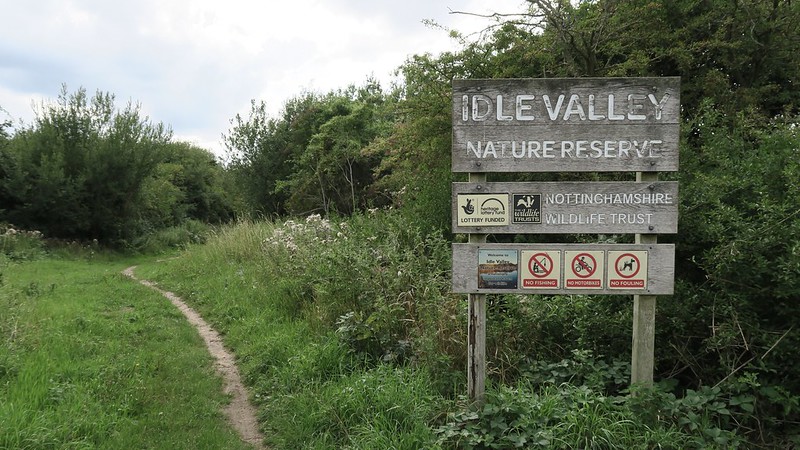
We parked at the far end of Chainbridge Lane, a remote and peaceful stretch far from the visitor centre. I suspect the original chain bridge the lane is named after has long since disappeared. The modern bridge over the River Idle felt solid and reassuring as I carefully drove across it.
As we arrived, a moorhen scurried across the gravel, and a swan glided gracefully along the river just a little further down. It was a lovely welcome while we waited for the rest of the group.
We set off north along a lane into the reserve and stopped at the first open-air viewing screen. From the start, the birdlife was abundant. Coots were everywhere, more than I think I’ve ever seen in one place, alongside mallards in eclipse plumage and a common tern darting overhead.
Soon after, a little egret floated silently above us, followed by a shoveler spotted on the water. Not long after, a call rang out: “Hobby overhead!” It was a fleeting but thrilling sight, with swifts spiralling in its wake.
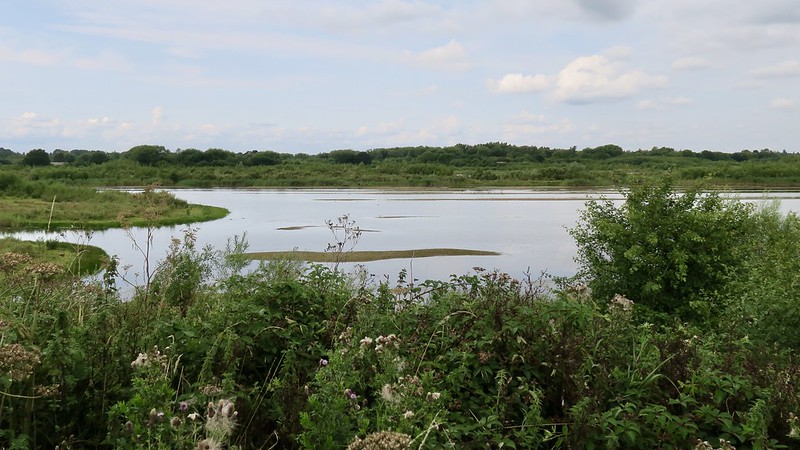
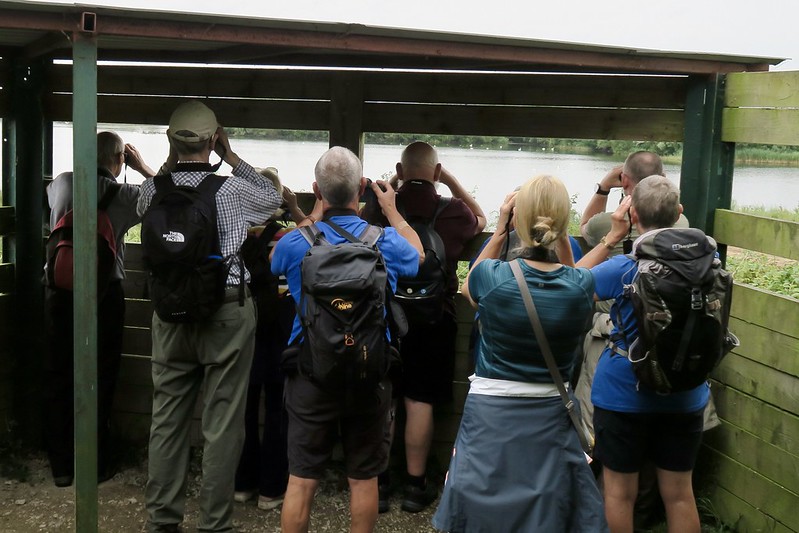
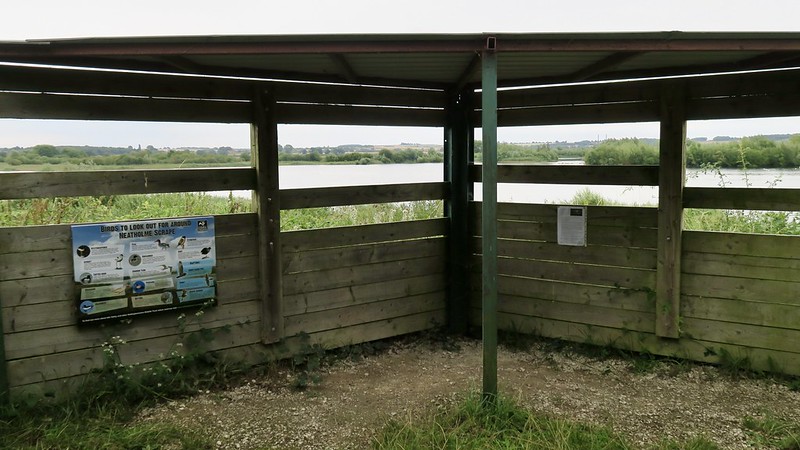
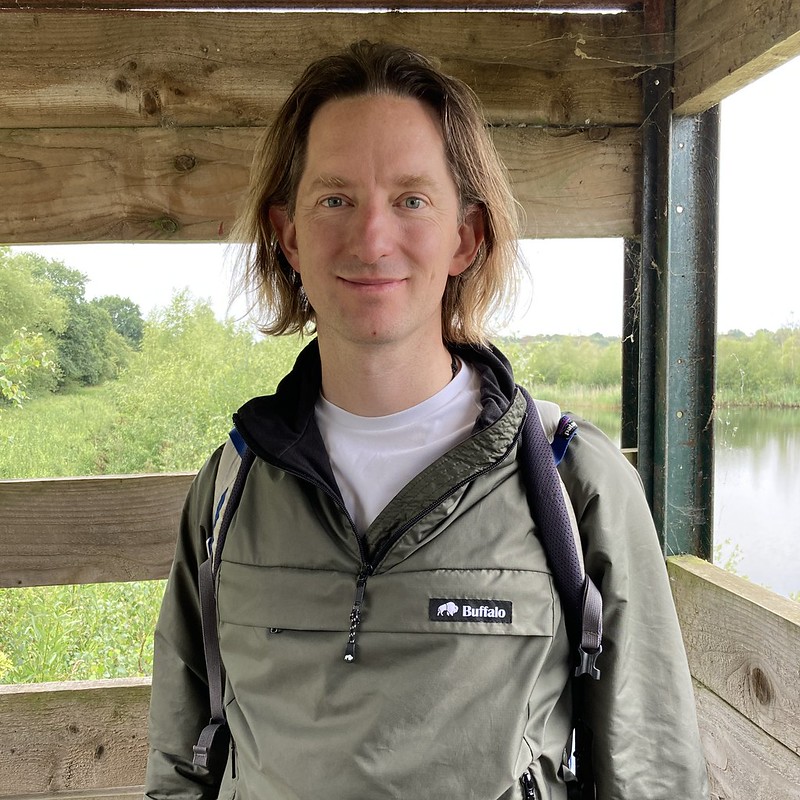
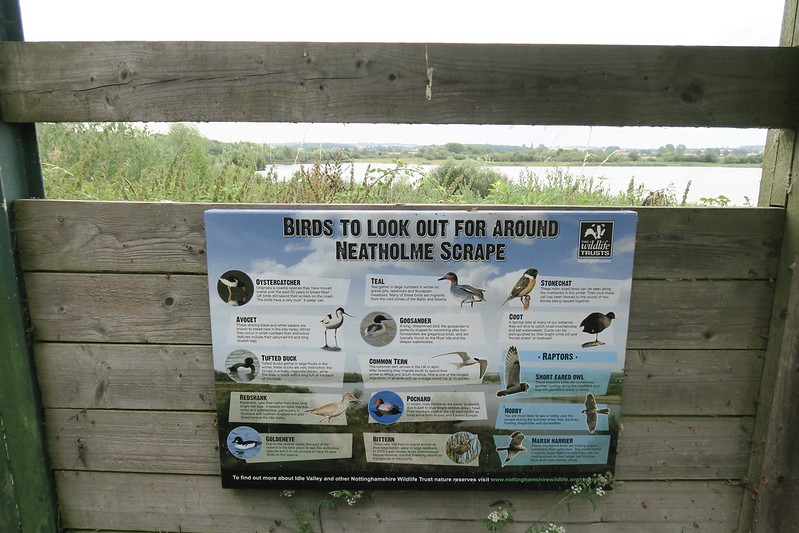
At the next viewing screen, we watched a family of tufted ducks slip quietly from the reeds. A blackcap, both adult and juvenile, perched briefly in a hawthorn bush before vanishing. We rounded the corner just in time to see the great egret again, this time soaring around the edge of the lake. On the water, greylags, mute swans, and a great crested grebe drifted past. A sharp-eyed group member spotted a little grebe diving and resurfacing like a game of hide and seek. Another little egret stood calmly on the far bank, barely disturbed by our presence.
We stopped for lunch overlooking Neatholme Pit, enjoying a peaceful and sociable break with shared cake and good conversation. On the way back, we saw many of the same birds again, plus sand martins skimming low over the water, cormorants, a fleeting mandarin duck in eclipse plumage, and terns giving us one final elegant display.
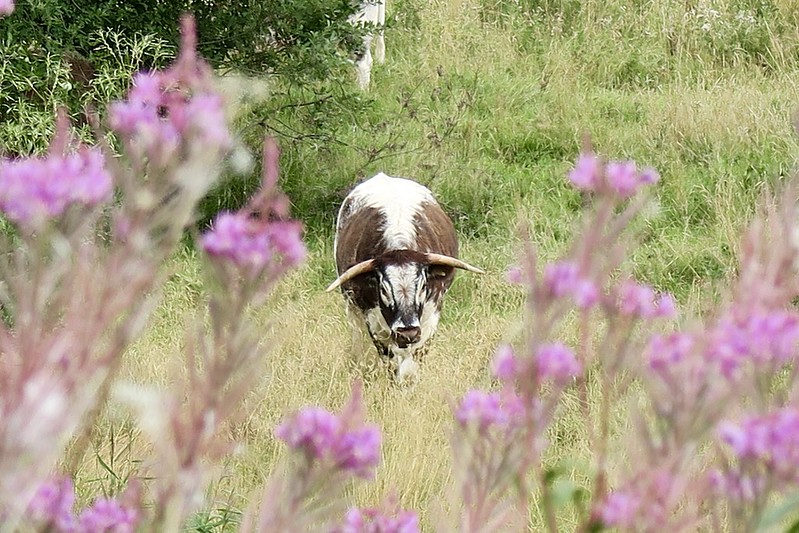
The reserve isn’t just about birds. It is also home to beavers, reintroduced into a large enclosure less than five years ago. (https://youtu.be/J2_huxIaYS4) We didn’t see any, most likely snoozing through the day, but it was exciting to know they were nearby. We also saw English Longhorn cattle, grazing and trampling the ground to help manage the habitat. A fox made a brief appearance, and we were lucky enough to spot a deer, possibly a fallow, given the absence of a white rump.
Later in the day, we stopped at a viewing screen set back near Chainbridge Lane. It gave us a new perspective across the scrape, and we could just make out the area we had visited earlier. The water levels here were lower, creating ideal conditions for waders. The site didn’t disappoint, with lapwings, oystercatchers, herons, terns, and more.
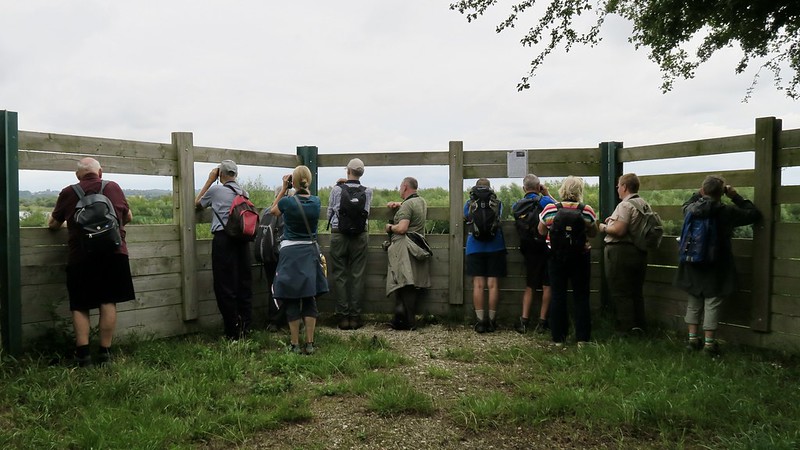
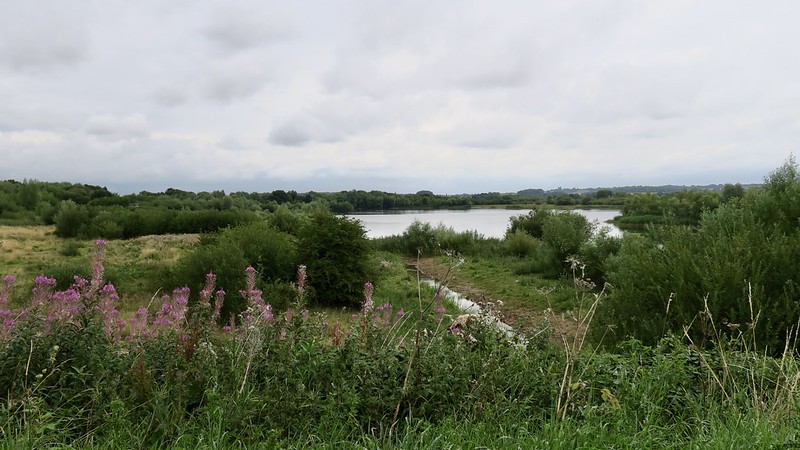
“Wish one of us had brought a scope,” someone said again. With such wide open water, many birds remained just beyond reach for our binoculars. This was one of the rare trips where none of the usual scope carriers had brought theirs along.
Our final group stop was Chainbridge Pit, where a mystery bird at the water’s edge sparked lively debate. Possibly a juvenile dunlin? It flew before we could confirm, leaving just enough uncertainty to fuel future visits.
The weather couldn’t make up its mind. We arrived in drizzle, shed our waterproofs as the skies cleared, and ended the day reaching for suncream. A classic British field trip forecast.
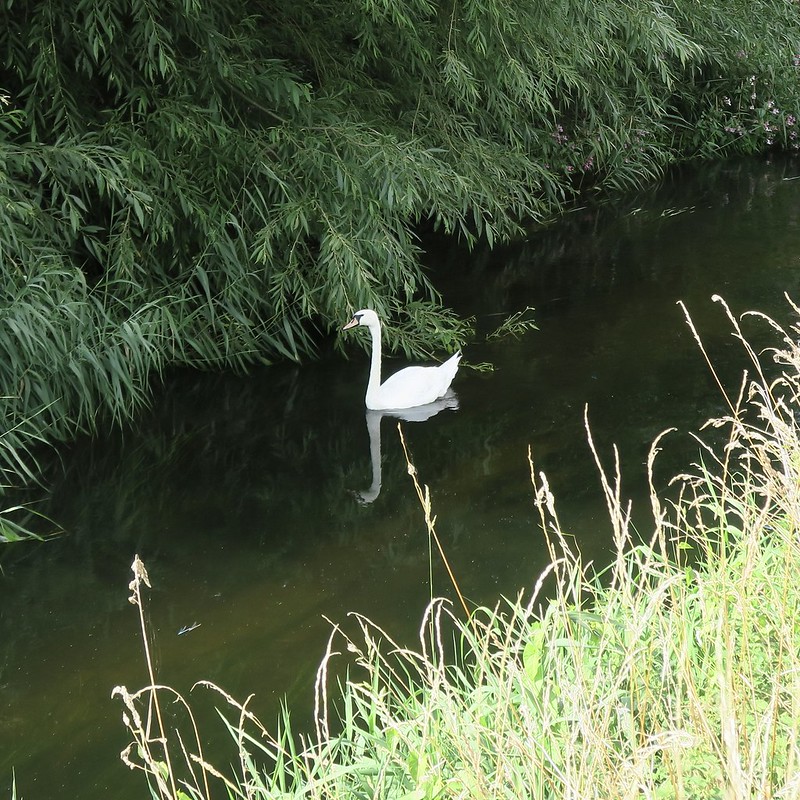
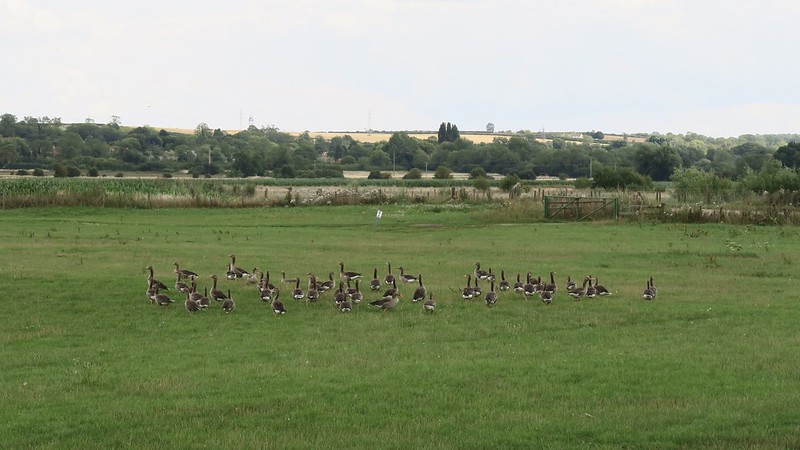
While most of the group headed back, a couple of us extended the day with a quiet walk north along the River Idle. We passed tranquil fishing spots, a lone swan drifting beneath overhanging trees, and geese resting in the nearby fields.
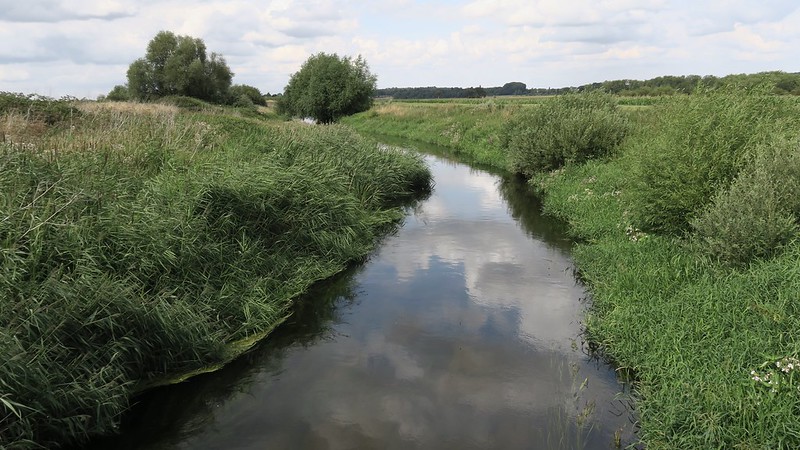
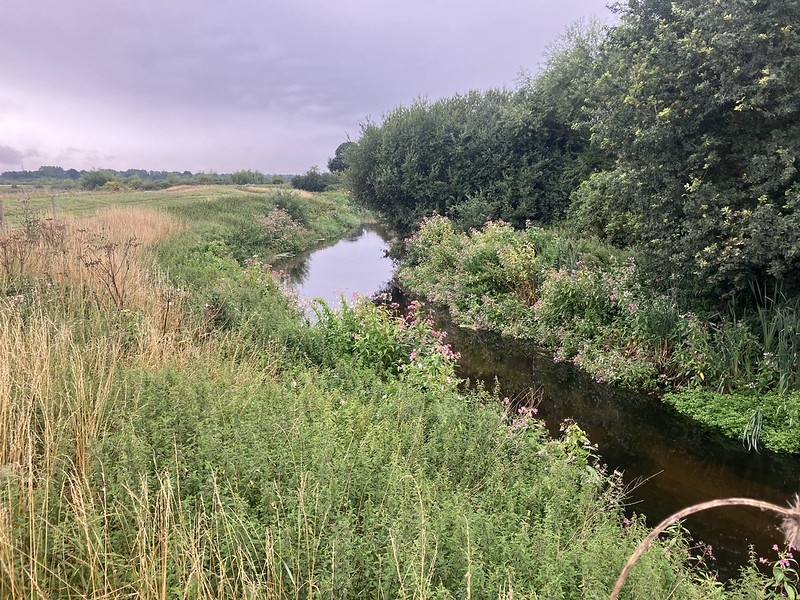
This was a genuinely lovely field trip. Not just because of the wildlife, but also because of the group itself. There is a warmth and ease to these outings that I always cherish. They say life is about finding your tribe, and I am grateful to count this group as part of mine.
Access and Location
The northern parts of the reserve can be accessed from Chainbridge Lane, which runs east from the crossroads in Lound village. Parking is available near the horse paddocks, by the Chainbridge Scrape viewing screen, or at Chainbridge Bridge near the river.
Key Species and Designation
The reserve supports overwintering and breeding wildfowl, wetland and woodland birds, and nationally important populations of coot and gadwall. It is also a vital stronghold for the turtle dove, despite national declines. The site was designated a Site of Special Scientific Interest (SSSI) in 2002.
History and Habitat
Once a gravel extraction site, operating from the post-war period until 2012, the area has been transformed by Nottinghamshire Wildlife Trust into a wetland haven covering more than 450 hectares. It is now one of the largest conservation sites in the East Midlands. The site includes lakes, reedbeds, marshes, dry grassland, scrub and remnants of former EDF settling lagoons.